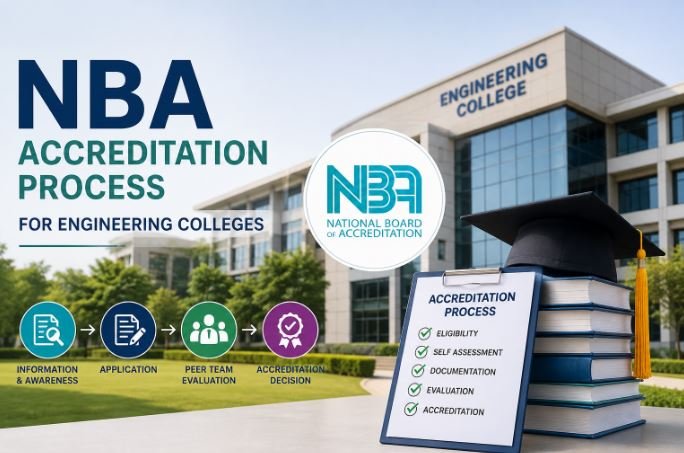
NBA readiness audit is one of the most effective ways for engineering departments to evaluate their preparedness before applying for accreditation. Many institutions begin accreditation activities only when the application cycle approaches, often discovering significant gaps in documentation, Outcome-Based Education (OBE) implementation, assessment systems, and evidence management.
For principals, directors, IQAC coordinators, department heads, and accreditation committees, conducting a structured NBA readiness audit helps identify weaknesses early, prioritize improvements, and build a stronger accreditation strategy. This guide explains the purpose of an NBA readiness audit, its benefits, key evaluation areas, common mistakes, and how engineering institutions can prepare effectively.
1. What is an NBA Readiness Audit?
An NBA readiness audit is a systematic review of an engineering department’s compliance with NBA accreditation requirements before formal submission.
The audit examines:
- Outcome-Based Education implementation
- Program Outcomes (POs)
- Program Specific Outcomes (PSOs)
- Course Outcomes (COs)
- Assessment systems
- Faculty qualifications
- Student performance
- Infrastructure
- Industry interaction
- Documentation and evidence
The objective is to identify gaps, risks, and improvement opportunities before the official NBA evaluation.
Key Components of an NBA Readiness Audit
| Audit Area | Focus |
|---|---|
| OBE Framework | CO-PO Mapping |
| Assessment System | Direct & Indirect Attainment |
| Faculty Profile | Qualifications & Development |
| Curriculum Delivery | Teaching-Learning Processes |
| Student Outcomes | Placements & Higher Studies |
| Infrastructure | Labs & Learning Resources |
| Continuous Improvement | Action Taken Reports |
| Documentation | Evidence Management |
2. Why NBA Readiness Audits Matter for Engineering Departments
1. Early Identification of Compliance Gaps
An audit helps departments identify deficiencies before accreditation submission.
Examples include:
- Missing attainment calculations
- Weak CO-PO mapping
- Incomplete evidence records
- Lack of improvement initiatives
2. Stronger Outcome-Based Education Implementation
NBA places significant emphasis on Outcome-Based Education.
A readiness audit evaluates whether:
- Course outcomes are measurable
- Program outcomes are assessed
- Attainment levels are calculated correctly
- Continuous improvement mechanisms exist
3. Better Documentation Readiness
Documentation remains one of the most challenging aspects of NBA accreditation.
An audit helps organize:
- Faculty files
- Student records
- Assessment reports
- Meeting minutes
- Industry collaboration evidence
4. Reduced Accreditation Risk
Departments that conduct audits are better prepared for evaluator visits and document verification exercises.
5. Improved Quality Systems
Beyond accreditation, audits strengthen departmental quality assurance mechanisms.
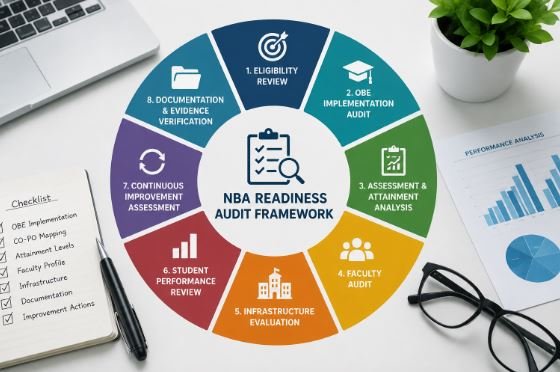
3. Step-by-Step NBA Readiness Audit Framework
Step 1: Review Accreditation Eligibility
Verify:
- Program approval status
- Number of graduated batches
- Regulatory compliance
- Institutional approvals
Step 2: Evaluate OBE Implementation
An effective OBE audit should review:
Course Outcomes
Check whether:
- COs are clearly defined
- COs are measurable
- COs align with Bloom’s Taxonomy
Program Outcomes
Verify:
- PO alignment
- PSO integration
- Curriculum mapping
Step 3: Examine Assessment and Attainment Systems
Review:
- Internal assessments
- End-semester examinations
- Direct attainment calculations
- Indirect attainment methods
Questions to ask:
- Are targets defined?
- Are calculations consistent?
- Is evidence available?
Step 4: Conduct Faculty Audit
Evaluate:
- Faculty qualifications
- Research publications
- FDP participation
- Industry exposure
- Mentoring activities
Step 5: Review Infrastructure
Audit:
- Laboratories
- Equipment utilization
- Library resources
- Software tools
- ICT facilities
Step 6: Assess Student Performance Indicators
Analyze:
- Pass percentages
- Placement rates
- Higher education progression
- Entrepreneurship activities
- Competitive examination success
Step 7: Verify Continuous Improvement Processes
Departments should demonstrate:
- Gap identification
- Action plans
- Improvements implemented
- Impact measurement
4. Common Gaps Found During NBA Audits
Weak CO-PO Mapping
Many departments create CO-PO mappings without proper justification or measurable linkage.
Incorrect Attainment Calculations
Common issues include:
- Formula errors
- Missing targets
- Inconsistent evaluation criteria
Insufficient Documentation
Missing evidence often affects accreditation outcomes.
Examples:
- Assessment records
- Laboratory reports
- Faculty achievements
- Stakeholder feedback
Limited Industry Interaction
Departments often struggle to demonstrate:
- Industry collaborations
- Expert lectures
- Internships
- Consultancy activities
Lack of Continuous Improvement Evidence
NBA expects departments to show how assessment results drive improvements.
Poor Stakeholder Feedback Systems
Feedback should be collected, analyzed, and used for enhancement initiatives.
5. Best Practices for NBA Accreditation Readiness
1. Conduct Annual Department Audits
Regular department audits help identify issues before accreditation cycles.
2. Strengthen Outcome-Based Education Processes
Ensure:
- COs are measurable
- Attainment is evidence-based
- Faculty understand OBE principles
3. Maintain Documentation Throughout the Year
Avoid collecting evidence only during accreditation periods.
Create centralized repositories for:
- Faculty records
- Student achievements
- Assessment reports
- Meeting minutes
4. Use Data for Decision-Making
Track:
- Attainment trends
- Placement performance
- Research output
- Student progression
5. Build a Continuous Improvement Culture
Document:
- Issues identified
- Corrective actions
- Improvement outcomes
6. Conduct Mock NBA Audits
Mock evaluations simulate accreditation reviews and help departments prepare effectively.
NBA Readiness Checklist
1. COs and POs defined
2. CO-PO mapping completed
3. Attainment calculations verified
4. Faculty profiles updated
5. Student performance data compiled
6. Infrastructure evidence available
7. Industry interaction records maintained
8. Continuous improvement reports documented
9. Stakeholder feedback analyzed
10. NBA gap analysis completed
6. How Bhavya Gyan Consultants (BGC) Can Help
Bhavya Gyan Consultants supports engineering institutions in strengthening accreditation readiness through structured audit and quality improvement services.
BGC Services Include
- NBA Readiness Audits
- OBE Framework Development
- CO-PO Mapping Support
- Attainment Calculation Verification
- Department Gap Analysis
- Mock NBA Assessments
- Documentation Review
- Faculty Training Programs
- IQAC Quality Support
- Academic Audit Services
Our experts help departments identify compliance gaps, strengthen evidence systems, and implement practical improvements aligned with NBA expectations.
Official External Resources
FAQs:
An NBA readiness audit evaluates how well an engineering department meets accreditation requirements before formal NBA application and assessment.
NBA accreditation is based on Outcome-Based Education principles. An OBE audit verifies outcome definition, assessment, attainment, and continuous improvement mechanisms.
Departments should ideally conduct internal readiness audits annually and a comprehensive audit before accreditation submission.
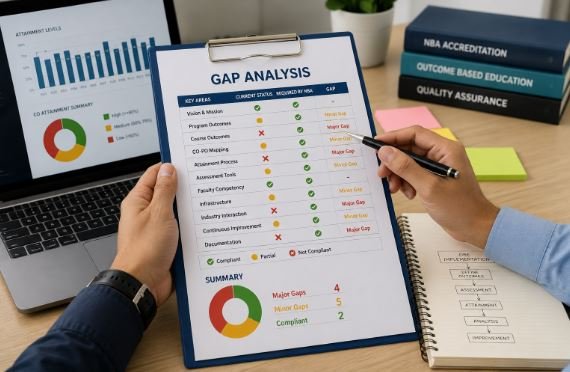
NBA gap analysis identifies differences between current departmental practices and NBA accreditation expectations, helping institutions prioritize improvements.
Faculty records, attainment reports, CO-PO mapping documents, student performance data, infrastructure evidence, meeting minutes, and improvement reports are typically reviewed.